
Do you want to know How to Back on Google First Page ?
If you’ve ever watched one of your high-ranking articles start slipping down Google’s search results, you know the panic that comes with it. But what if you had a strategy that literally forces your content back to its original position—or even better?
In 2026, SEO isn’t just about writing great content. It’s about keeping it competitive. One of my articles recently jumped from position #57 to #1 for a 2,000 searches/month keyword—and I did it using this exact system.
If you’re serious about ranking (and staying ranked), steal this strategy and put it to work.
Why Content Drops in the Rankings
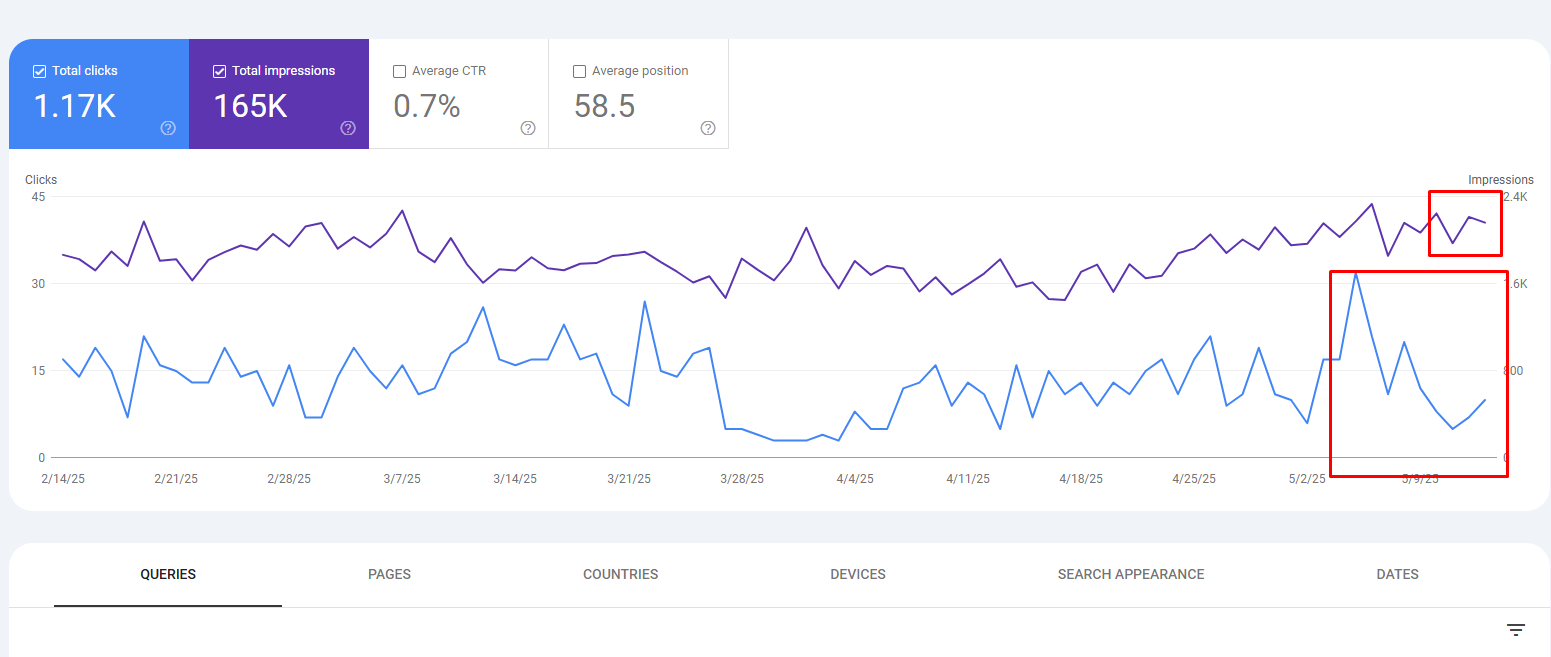
Google is constantly evaluating your content against newer, fresher competitors. Every time someone publishes something better optimized—or more aligned with user intent—you risk being replaced.
So, what’s the solution?
You need a systematic way to monitor and update your content. That’s where this 4-step strategy comes in.
Step 1: Set Up Quarterly Content Audit Reminders
Mark these dates on your calendar:
- January 1
- April 1
- July 1
- October 1
These are your Content Audit Days—non-negotiable check-ins to evaluate performance and make updates.
Step 2: Pull a Comparison Report
On audit day, use a rank tracker like:
- Accuranker
- Ahrefs
- Semrush
Pull a comparison report to check current rankings vs. your rankings from 3 months ago.
Now analyze:
- What keywords have dropped?
- Which articles fell off Page 1?
- Even if rankings stayed the same, is the traffic down?
Articles that dropped off Page 1 should be your top priority. These are your best chances for fast wins.
Step 3: Update Using These 4 SEO Levers
1. Search Intent Alignment
Search intent evolves. Just because a blog post ranked well a year ago doesn’t mean it aligns with today’s expectations.
Here’s what to do:
- Look at the top 10 results for your target keyword.
- Ask: What content format is dominating?
- A list post?
- A tool?
- A landing page?
- A how-to guide?
Match the format that Google is currently rewarding.
“If Google is showing mostly tools and you’ve got a 2,000-word article, you’re not going to win.”
2. Deliver the Answer Immediately (Answer Position)
We’re in the attention economy. People want instant answers.
If your main point is buried under intros and fluff, users bounce—and your rankings suffer.
Fix it like this:
- Move the main answer to the top, ideally above the fold.
- Be clear and direct.
- Don’t make people scroll to find value.
Example:
“What’s the best time to post on Instagram in 2026?”
Answer: Between 9 AM and 11 AM on weekdays, with Wednesday showing the highest engagement.
3. Use an NLP-Friendly Format
Search engines love clarity.
Make it easy for Google’s NLP algorithms to extract key answers.
Use this format: